You Won’t Believe How These Food Combos Fixed My Daily Slump
Ever feel tired, foggy, or just “off” even after eating well? I was stuck in that gray zone—subhealth—until I discovered the real game-changer: dietary combinations. It’s not just what you eat, but how you pair it. After testing small tweaks for months, I saw real shifts—more energy, better focus, clearer skin. This isn’t a diet. It’s daily health management that actually fits real life. Let me walk you through what worked—no hype, just practical truth.
The Invisible Struggle: Understanding Subhealth
Many women in their 30s, 40s, and 50s experience a quiet but persistent decline in well-being that doesn’t show up on blood tests or get diagnosed by doctors. This state, often called subhealth, sits between wellness and illness. It’s marked by chronic fatigue, difficulty concentrating, mood swings, disrupted sleep, and a general sense of being “run down.” Unlike acute sickness, subhealth doesn’t come with a fever or a clear diagnosis—it sneaks in through the cracks of daily life.
Modern lifestyles play a major role in fueling this condition. Long hours, caregiving responsibilities, screen exposure, and emotional stress wear down the body’s resilience. Meals are often rushed, sleep is inconsistent, and physical activity is limited. Over time, these habits create internal imbalances that affect energy production, hormone regulation, and immune function. The result? A body that’s functioning but not thriving.
One of the most overlooked contributors to subhealth is dietary imbalance. Eating foods in isolation—like a salad with no fat, or a grain-heavy meal with no protein—can leave the body undernourished even when calorie intake seems adequate. Nutrients are not just building blocks; they are messengers, catalysts, and protectors. When they’re not delivered in the right combinations, the body struggles to use them efficiently. This leads to symptoms like afternoon crashes, brain fog, and low motivation—signs that the body is asking for better fuel.
Subhealth is not a life sentence. It’s a signal—a call to reevaluate how we eat, rest, and move. And while medical advice is essential for persistent issues, many women find that simple, science-backed changes in their daily routines can make a meaningful difference. One of the most powerful yet underused tools? Strategic food pairing. By aligning meals with how the body actually absorbs and uses nutrients, it’s possible to shift from merely surviving to genuinely feeling well.
Why Food Pairing Matters More Than You Think
For years, nutrition messaging has focused on individual “superfoods”—kale, blueberries, salmon, quinoa. While these foods do offer valuable nutrients, the real magic happens not in isolation but in interaction. The body doesn’t absorb vitamins and minerals in a vacuum. Instead, it relies on synergistic relationships between compounds to unlock their full potential. This is where food pairing becomes essential.
Think of nutrients as a team. Some members need others to get to the job site. For example, iron from plant sources is hard for the body to absorb unless vitamin C is present. Similarly, fat-soluble vitamins like A, D, E, and K require dietary fat to be properly absorbed. Without the right partner, even the most nutrient-dense meal may deliver only a fraction of its benefits. This explains why someone can eat a “healthy” salad every day and still feel sluggish—the body isn’t able to access the nutrients effectively.
Research supports this concept of nutrient synergy. Studies have shown that combining certain foods increases the bioavailability of key compounds. For instance, one study found that adding avocado to a salad increased the absorption of carotenoids—antioxidants linked to eye and skin health—by up to five times. Another showed that pairing vitamin C-rich foods with plant-based iron sources boosted iron absorption by as much as 300 percent. These aren’t minor improvements; they represent a fundamental shift in how food nourishes the body.
The good news is that you don’t need to overhaul your diet to benefit from food synergy. Small, intentional changes—like adding a squeeze of lemon to cooked spinach or including a handful of nuts in your morning oatmeal—can significantly enhance nutrient uptake. These pairings work with real life, not against it. They don’t require special ingredients or complicated recipes. Instead, they build on familiar foods, making healthy eating more effective without adding stress. When food works together, the body responds with more energy, sharper focus, and greater resilience.
Power Duo #1: Iron-Rich Foods + Vitamin C Sources
Iron deficiency is one of the most common nutritional gaps among women, especially during menstruation, pregnancy, or perimenopause. Even mild insufficiency can lead to fatigue, pale skin, shortness of breath, and difficulty concentrating. While red meat is a well-known source of highly absorbable heme iron, many women rely on plant-based sources like lentils, beans, tofu, and leafy greens. These foods contain non-heme iron, which is less readily absorbed—unless paired with vitamin C.
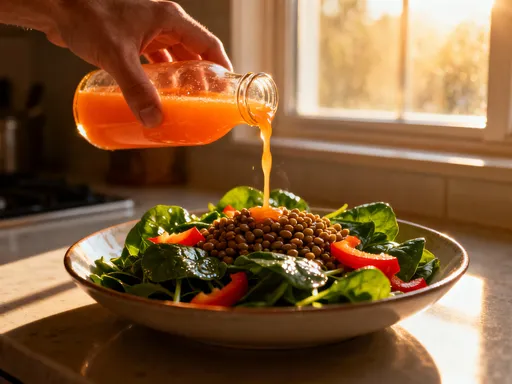
Vitamin C dramatically enhances the absorption of non-heme iron by converting it into a more soluble form. This simple biochemical interaction can make the difference between feeling drained and having steady energy throughout the day. For example, a bowl of lentil soup becomes far more effective when served with a side of tomato salad or a squeeze of lemon juice. Similarly, a spinach stir-fry gains nutritional power when bell peppers or broccoli—both rich in vitamin C—are added to the mix.
Practical pairings are easy to incorporate into daily meals. Try a chickpea salad with chopped tomatoes, cucumber, and a lemon-olive oil dressing. Make a tofu scramble with spinach and sliced strawberries. Add orange segments to a black bean and kale bowl. Even a simple green smoothie with spinach, banana, and a splash of orange juice can support iron uptake when consumed with other iron-rich foods.
The benefits go beyond energy. Improved iron status supports oxygen transport in the blood, which enhances brain function, muscle performance, and skin health. Women who maintain adequate iron levels often report better stamina, improved mood, and a stronger sense of vitality. The key is consistency—making these pairings a regular part of meals rather than occasional efforts. Over time, the body builds up its reserves, reducing the risk of deficiency and supporting long-term well-being.
Power Duo #2: Whole Grains + Legumes for Complete Protein
Protein is essential for maintaining muscle mass, supporting metabolism, and stabilizing blood sugar—especially as women age. While animal products provide complete proteins (containing all nine essential amino acids), plant-based proteins are often incomplete on their own. However, when combined wisely, plant foods can deliver the same benefits without the need for meat.
Whole grains and legumes are a classic example of complementary proteins. Grains are rich in methionine but low in lysine, while legumes are high in lysine but low in methionine. When eaten together, they form a complete amino acid profile. This pairing has sustained populations for centuries—from rice and beans in Latin America to dal and chapati in India. It’s not just tradition; it’s science.
Everyday meals can easily include this powerful duo. A bowl of brown rice with black beans and salsa makes a satisfying lunch. Hummus (made from chickpeas) spread on whole grain pita offers a balanced snack. A quinoa and lentil salad with herbs and olive oil provides a nutrient-dense dinner option. Even a simple burrito with whole wheat tortilla, refried beans, and vegetables delivers sustained energy and supports muscle repair.
Beyond protein, this combination offers additional benefits. Both whole grains and legumes are rich in fiber, which supports digestive health, promotes satiety, and helps regulate cholesterol and blood sugar levels. The slow digestion of complex carbohydrates paired with plant protein prevents energy spikes and crashes, making this duo ideal for maintaining steady focus and mood throughout the day. For women managing weight or metabolic health, this synergy offers a natural, food-based approach to long-term wellness.
Power Duo #3: Healthy Fats + Colorful Veggies
Vegetables are packed with vitamins, minerals, and antioxidants—but many of these nutrients are fat-soluble, meaning they require dietary fat to be absorbed. Without fat, the body may pass these valuable compounds through the digestive tract unused. This is why eating a salad with no dressing, or steaming vegetables without any oil, can result in missed nutritional opportunities.
Vitamins A, D, E, and K all depend on fat for absorption. Carotenoids—such as beta-carotene in carrots, lycopene in tomatoes, and lutein in leafy greens—are powerful antioxidants that support eye health, skin integrity, and immune function. But their benefits are only unlocked when consumed with healthy fats like olive oil, avocado, nuts, or seeds.
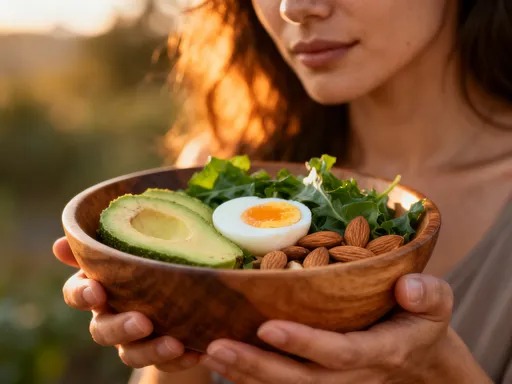
Simple upgrades can make a big difference. Drizzle olive oil over roasted sweet potatoes or sautéed kale. Add sliced avocado to a tomato and cucumber salad. Sprinkle a handful of toasted almonds on steamed broccoli. Blend spinach, banana, chia seeds, and almond butter into a smoothie. These additions not only enhance nutrient absorption but also improve the taste and satisfaction of meals.
The impact on appearance and energy is often noticeable. Women who consistently pair fats with vegetables frequently report clearer skin, stronger nails, and a natural glow. This is because fat-soluble nutrients play a direct role in skin cell regeneration and inflammation control. Additionally, healthy fats support hormone balance and brain function, contributing to improved mood and mental clarity. Rather than fearing fat, embracing it as a nutritional partner allows the body to get the most from plant-based foods.
What to Avoid: Counterproductive Combos That Sabotage Health
Just as some food pairings enhance nutrition, others can interfere with digestion, absorption, and energy balance. Being aware of these less effective combinations allows for smarter choices without strict restrictions. The goal is not perfection but awareness—making small shifts that support the body’s natural processes.
One common issue is eating fruit immediately after a heavy meal. Fruit digests quickly, especially on an empty stomach. When eaten after proteins or fats, it can sit in the stomach longer, ferment, and cause bloating or discomfort. A better approach is to enjoy fruit as a standalone snack, ideally 20–30 minutes before a meal or at least two hours after.
Another important consideration is coffee and iron-rich meals. Coffee contains polyphenols that bind to non-heme iron, reducing its absorption by up to 60 percent. For women at risk of iron deficiency, this can be significant. To minimize this effect, avoid drinking coffee within one hour of meals, especially those based on legumes, tofu, or leafy greens. Opt for herbal tea or water instead.
Pairing sugary foods with high-fat items—like pastries, ice cream, or fried desserts—can lead to rapid insulin spikes followed by energy crashes. These combinations are hard to digest and can contribute to inflammation and weight gain over time. Instead, choose desserts with natural sweetness and fiber, such as baked apples with cinnamon or yogurt with berries and nuts. These options provide satisfaction without the metabolic rollercoaster.
Finally, consuming large amounts of calcium-rich foods (like dairy) with iron-rich meals can also inhibit iron absorption. If both are needed, space them out by a few hours. For example, have a calcium-fortified smoothie in the morning and save lentil soup for lunch. These small adjustments respect the body’s chemistry and help maximize the benefits of each meal.
Building Your Daily Routine: Practical Steps Forward
Integrating food synergy into daily life doesn’t require drastic changes or complicated planning. The most sustainable approach is gradual and personalized. Start by choosing one meal—lunch, for example—and focus on improving one pairing at a time. Add lemon to your lentil soup. Include avocado in your salad. Combine brown rice with beans. These small steps build confidence and create lasting habits.
Meal prep can simplify the process. Cook a batch of quinoa or brown rice at the beginning of the week. Roast a tray of mixed vegetables with olive oil. Prepare a pot of bean stew or lentil curry. Having these components ready makes it easy to assemble balanced meals quickly, even on busy days. Store portions in containers for grab-and-go convenience, ensuring that healthy choices remain accessible.
Mindful eating also plays a role. Take time to chew food thoroughly, savor flavors, and notice how your body feels after meals. These small moments of awareness can reveal patterns—what gives you energy, what causes sluggishness, what satisfies hunger. Over time, this internal feedback becomes a guide, helping you make choices that align with your body’s needs.
Remember, consistency matters more than perfection. No single meal defines your health. The goal is progress—making more supportive choices more often. Celebrate small wins, like choosing a nutrient-rich snack or preparing a balanced dinner. These moments add up, creating a foundation of energy and resilience.
Finally, while food is a powerful tool, it’s not a substitute for medical care. If fatigue, brain fog, or other symptoms persist despite dietary improvements, consult a healthcare provider. Blood tests can identify deficiencies or underlying conditions that require professional attention. A registered dietitian can also offer personalized guidance, ensuring that your nutrition supports your unique health journey. By combining practical food wisdom with professional support, you create a holistic approach to feeling your best—every day.