Why I Finally Found Balance Through Real TCM Wellness
For years, I chased quick fixes—energy drinks, crash diets, late-night workouts—only to feel more drained. Then I tried traditional Chinese medicine (TCM) not as a cure, but as a way to maintain balance. It wasn’t magic, just consistent, mindful adjustment. What changed? My routine, my habits, and how I listen to my body. This is what actually worked for lasting wellness. Unlike short-term solutions that promised energy but delivered burnout, TCM offered a different path: one rooted in rhythm, nourishment, and awareness. It didn’t demand perfection—only presence. Over time, small shifts added up to real transformation. This is not a story of dramatic recovery, but of gradual realignment. And it’s one that anyone, especially those feeling stretched too thin, can learn from.
The Burnout That Led Me to TCM
Like many women in their thirties and beyond, I wore exhaustion like a badge of honor. Juggling work, family, and personal goals, I believed pushing through fatigue was the only way forward. My days began with coffee and ended with screen-lit anxiety. I skipped meals, relied on protein bars, and scheduled intense workouts at 9 PM, thinking I was being disciplined. But instead of feeling stronger, I felt brittle—emotionally fragile and physically depleted. Mornings were a struggle. Afternoons brought brain fog. Even weekends offered no real rest. I visited doctors, ran blood tests, and was told I was “within normal range.” But normal didn’t feel sustainable.
It wasn’t until a friend mentioned a wellness podcast that I first heard about traditional Chinese medicine. The host described TCM not as an alternative to Western medicine, but as a complementary system focused on balance—something I had never considered. The idea that fatigue wasn’t just a symptom to be masked, but a signal of deeper imbalance, struck me. I began reading more and learned that in TCM, the body is seen as an interconnected network, where energy, emotion, diet, and rhythm all influence one another. This holistic view felt more aligned with my experience than the fragmented approach of treating each symptom in isolation.
My turning point came after a particularly rough week—insomnia, irritability, and a constant low-grade headache. I realized I couldn’t keep treating my body like a machine that could be refueled with caffeine and willpower. I needed a different strategy. That’s when I decided to explore TCM not as a last resort, but as a long-term philosophy of care. I didn’t expect miracles. I simply wanted to feel steady, grounded, and capable of meeting life without collapsing afterward. What I discovered wasn’t a quick fix, but a way of living that honored my body’s natural rhythms.
Understanding TCM Adjustment: More Than Just Herbs
When most people hear “traditional Chinese medicine,” they think of herbal remedies or acupuncture. While these are important components, TCM is far more comprehensive. At its core, TCM is a system of regulation—helping the body return to and maintain a state of balance. It doesn’t aim to suppress symptoms but to understand their root cause. In Western medicine, a headache might be treated with painkillers. In TCM, the same headache could be seen as a sign of liver imbalance, stress accumulation, or poor digestion, depending on the individual’s overall pattern. This personalized, systems-based approach is what makes TCM uniquely effective for long-term wellness.
Central to TCM is the concept of Qi (pronounced “chee”), the vital energy that flows through the body. Think of Qi like the electrical current that powers a home—when it flows smoothly, everything works. When it’s blocked or depleted, systems begin to malfunction. Qi moves through pathways called meridians, connecting organs and functions in a dynamic network. Another foundational principle is the balance between Yin and Yang—opposing yet complementary forces. Yin represents rest, nourishment, and coolness; Yang stands for activity, warmth, and movement. Health is not the absence of symptoms, but the harmonious interplay of these forces.
TCM also views organs not just as physical structures, but as functional systems with emotional and energetic roles. For example, the liver in TCM governs the smooth flow of Qi and is closely tied to emotional regulation—especially anger and frustration. The spleen (which includes digestive function) is responsible for transforming food into energy and is weakened by overthinking and irregular eating. These connections explain why emotional stress can lead to digestive issues, or why poor diet can affect mood. By understanding these relationships, TCM offers a roadmap for maintaining balance before problems become severe.
The term “adjustment” in TCM refers to the ongoing process of fine-tuning lifestyle, diet, and mindset to support this internal harmony. It’s not about dramatic interventions, but consistent, small corrections—like adjusting the sails on a boat to stay on course. This perspective shifted my view of health from something to achieve to something to nurture daily. Instead of waiting for symptoms to appear, I began paying attention to subtle signs—fatigue after certain foods, tension in the shoulders, disrupted sleep—and responded with gentle, informed choices.
Diet as Daily Medicine: What I Actually Eat Now
One of the most transformative changes I made was rethinking food. For years, I followed popular diets—low-carb, intermittent fasting, juice cleanses—each promising energy and clarity but leaving me cold, hungry, and irritable. TCM taught me that food is not just fuel, but medicine. The right foods at the right time can strengthen digestion, warm the body, and stabilize energy. The wrong ones—especially when eaten at inappropriate times—can weaken Qi and create imbalance.
In TCM, digestion is considered the foundation of health. It’s not just about what you eat, but how well your body can break it down and absorb nutrients. Cold, raw, and processed foods are seen as taxing on the digestive system, especially for those with weak Qi. I used to drink iced coffee and eat salads for lunch, believing I was being healthy. But TCM explains that cold foods require the body to use extra energy to “warm” them for digestion, which can drain Qi over time. Now, I prioritize warm, cooked, and easily digestible meals. My mornings often start with congee—a simple rice porridge cooked with ginger and a bit of chicken or vegetables. It’s gentle on the stomach and provides steady energy without spikes or crashes.
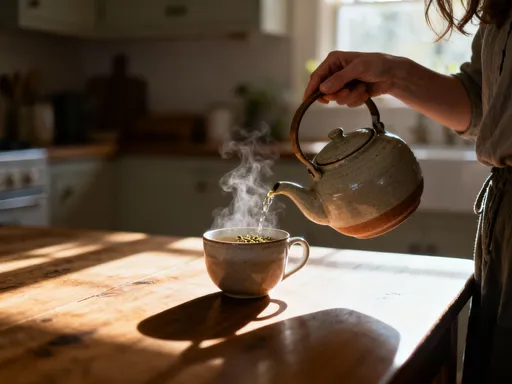
Soups have become a staple in my home. I prepare a large pot at the beginning of the week, using ingredients like carrots, sweet potatoes, lotus root, and lean meats, all simmered with warming herbs like astragalus or goji berries. These ingredients are not exotic—they’re available at most grocery stores—and they support spleen function and Qi production. I also drink herbal infusions throughout the day. A simple tea made with dried dates, longan, and a slice of ginger helps replenish blood and calm the nerves—something especially helpful during busy seasons.
Seasonality plays a key role in TCM eating. In winter, I focus on warming, nourishing foods like stews and root vegetables. In summer, I incorporate cooling—but not cold—foods like cucumber and mung beans, always prepared in a way that’s easy to digest. I’ve also stopped skipping meals or eating on the run. Regular, mindful eating supports the stomach and spleen, helping the body maintain steady energy. This shift hasn’t just improved my digestion; it’s changed my relationship with food. I no longer see it as the enemy or a source of guilt, but as daily nourishment that supports my well-being.
Daily Rhythms That Support Natural Balance
Beyond diet, one of the most impactful changes I made was aligning my daily routine with my body’s natural rhythms. In TCM, the body follows a 24-hour cycle of energy flow, with different organs being most active at different times. For example, the liver’s energy peaks between 1 and 3 AM—precisely when deep rest and repair occur. If you’re awake or stressed during this time, it can disrupt the liver’s function and lead to irritability, poor detoxification, and fatigue. This insight helped me understand why late nights left me feeling worse, not just tired, but emotionally raw.
I began adjusting my schedule to support this natural flow. I now aim to eat dinner by 7 PM, giving my digestive system time to process food before sleep. Late, heavy meals are discouraged in TCM because they force the stomach to work when it should be winding down, which can lead to restless sleep and dampness—a TCM term for sluggish metabolism and fluid retention. I also set a consistent bedtime, ideally before 10:30 PM, to honor the body’s transition into rest and repair mode. These changes didn’t happen overnight, but over weeks, I noticed deeper sleep and more stable energy the next day.
Another small but powerful shift was reducing screen time after 9 PM. The blue light from phones and tablets interferes with melatonin production, but in TCM terms, it also overstimulates the mind, making it harder for the heart and spirit to settle. I replaced scrolling with quiet activities—reading a book, sipping herbal tea, or doing a few minutes of gentle stretching. These moments of stillness help calm the Shen, or spirit, which in TCM is closely linked to emotional balance and sleep quality.
Consistency is key. The body thrives on routine, and irregular schedules—like sleeping in on weekends or eating at random times—can disrupt Qi flow and weaken organ function over time. By creating a predictable rhythm, I’ve given my body the stability it needs to heal and maintain balance. It’s not about rigidity, but about honoring the body’s innate wisdom. When I stick to this routine, I feel more grounded. When I don’t, I feel the difference—proof that these rhythms aren’t arbitrary, but deeply aligned with how the body functions.
Movement That Nourishes, Not Drains
For years, I believed that exercise had to be intense to be effective. I pushed through high-intensity workouts, thinking I was building strength. But instead of feeling energized, I often felt worse—drained, sore, and emotionally fragile. TCM helped me understand why: excessive, forceful exercise can deplete Qi and damage Yin, the body’s cooling, nourishing energy. When Yin is weakened, symptoms like dryness, heat, irritability, and insomnia can arise. This doesn’t mean exercise is bad—it’s essential—but the type and intensity must match your current state.
I began exploring gentler forms of movement, starting with Qi Gong, a practice that combines slow, flowing movements with breath and intention. Unlike fast-paced workouts, Qi Gong is designed to cultivate and circulate Qi, not burn it. Each movement is deliberate, coordinated with deep breathing, and performed with a calm mind. After just a few sessions, I noticed a shift—not in muscle tone, but in mental clarity and emotional resilience. My anxiety softened. My focus improved. I felt more centered.
Tai Chi, another traditional practice, became part of my weekly routine. Often described as “meditation in motion,” Tai Chi strengthens the legs, improves balance, and enhances Qi flow through gentle, continuous movements. I practice in the morning in a quiet corner of my yard, moving slowly as the sun rises. It’s not about performance or speed, but about presence and connection. Walking mindfully—feeling each step, breathing deeply—has also become a form of moving meditation. These practices don’t make me sweat, but they leave me feeling deeply restored.
TCM teaches that movement should support, not deplete. The goal is not to exhaust the body, but to keep Qi and blood flowing smoothly. When energy moves, stagnation is prevented—stagnation that can lead to physical discomfort, emotional blockages, and fatigue. By choosing movement that nourishes, I’ve found a sustainable way to stay active without paying the price in exhaustion. It’s a lesson in balance: motion with rest, effort with ease, activity with recovery.
Emotional Wellness in TCM: Calming the “Liver Fire”
One of the most surprising aspects of TCM was its recognition of the deep connection between emotions and physical health. In Western medicine, stress might be managed with medication or therapy. In TCM, emotional patterns are seen as direct influences on organ function. For example, chronic anger or frustration is said to affect the liver, leading to what’s called “liver fire”—a state of excess heat that can manifest as headaches, irritability, insomnia, or menstrual discomfort. I began to see my own emotional patterns—snapping at loved ones, feeling overwhelmed by small tasks—not as personal failings, but as signs of imbalance.
Rather than suppressing emotions, TCM encourages awareness and gentle regulation. One simple practice I adopted is diaphragmatic breathing—inhaling deeply into the belly, holding briefly, and exhaling slowly. This calms the nervous system and helps move stagnant Qi. I do this for a few minutes in the morning and again when I feel tension rising. It doesn’t eliminate stress, but it creates space between stimulus and response, allowing me to choose how I react.
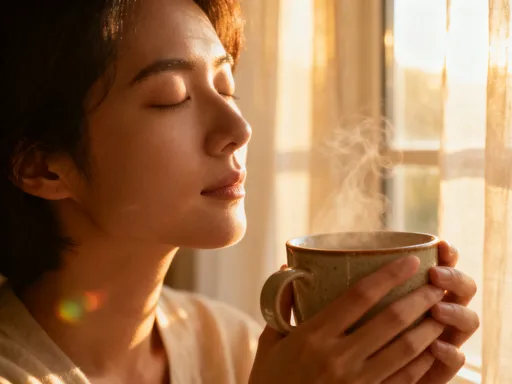
I also learned the importance of routine in emotional stability. Irregular schedules, skipped meals, and lack of rest all contribute to liver Qi stagnation. By maintaining a consistent rhythm, I’ve reduced the frequency of emotional flare-ups. I’ve also created intentional moments of stillness—five minutes of sitting quietly with a cup of tea, watching the sky, or listening to soft music. These aren’t formal meditation sessions, but simple pauses that allow my spirit to settle. In TCM, the heart houses the Shen, and when the Shen is calm, the mind is clear and the emotions are balanced.
This emotional dimension of TCM has been profoundly validating. It doesn’t pathologize normal human feelings, but offers tools to manage them in a way that supports overall health. I no longer see emotional ups and downs as signs of weakness, but as information—clues about my internal state. By responding with care rather than criticism, I’ve cultivated greater resilience and self-compassion.
Working With Experts: Why Self-Diagnosis Isn’t Enough
While books and podcasts introduced me to TCM, I quickly realized that self-diagnosis could be misleading. TCM is highly individualized—what works for one person may not work for another. For example, two people with fatigue may have completely different underlying patterns: one may have Qi deficiency, needing nourishing foods and rest, while the other may have Qi stagnation, needing movement and stress reduction. Without proper assessment, it’s easy to apply the wrong remedy and worsen the imbalance.
I sought out a licensed TCM practitioner, someone trained in both traditional methods and modern safety standards. During our first session, she took a detailed history, examined my tongue, and checked my pulse—a key diagnostic tool in TCM that assesses the quality and flow of Qi in different organ systems. She didn’t prescribe herbs immediately but offered personalized insights: I needed to warm my middle burner (digestive system), support my spleen Qi, and calm liver Qi stagnation. She suggested dietary changes, gentle movement, and a few simple herbal formulas that were safe and widely used.
Working with a professional made a significant difference. Her guidance helped me avoid common pitfalls, like overusing cooling herbs when I actually needed warming support. She also monitored my progress and adjusted recommendations as my condition evolved. This ongoing support ensured that my approach remained safe and effective. I learned that TCM is not a do-it-yourself system, but one that thrives on collaboration between practitioner and patient.
Blending TCM wisdom with modern life requires discernment. I don’t reject Western medicine—both have their place. But TCM has given me a language and framework for prevention and balance. With professional guidance, I’ve been able to integrate these principles in a way that fits my lifestyle—safely, sustainably, and without extremism.
Conclusion: Wellness as a Practice, Not a Goal
Looking back, the journey to balance wasn’t marked by dramatic breakthroughs, but by small, consistent choices. I no longer chase energy; I cultivate it. My mornings are calmer. My sleep is deeper. I recover from stress more quickly. The constant crashes and emotional spikes have faded, replaced by a steady, quiet strength. This didn’t happen because I followed a perfect plan, but because I learned to listen—to my body, my energy, my emotions—and respond with care.
TCM adjustment is not a quick fix. It’s a lifelong practice of alignment—between what we eat, how we move, when we rest, and how we feel. It’s about creating a lifestyle that supports the body’s innate ability to heal and maintain balance. For women in their thirties, forties, and beyond, who often put everyone else first, this approach offers a way to reclaim energy and well-being without burnout.
If you’re feeling drained, overwhelmed, or stuck in a cycle of quick fixes that don’t last, consider exploring TCM—not as a cure, but as a companion in your wellness journey. Approach it with curiosity, patience, and the support of qualified practitioners. Wellness isn’t about perfection. It’s about presence. And sometimes, the gentlest shifts lead to the deepest transformations.