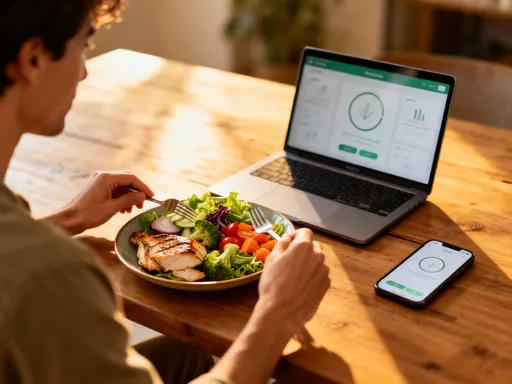
How I Turned My Fatty Liver Around — And Boosted My Energy Naturally
Fatty liver isn’t just a medical term — it’s a wake-up call. For years, I felt sluggish, bloated, and off, not realizing my liver was silently struggling. After a routine checkup revealed early-stage fat buildup, I knew I had to act. What followed wasn’t a miracle cure, but a series of real, sustainable changes. This is how I improved my liver health and, along the way, upgraded my entire quality of life — no pills, no extremes, just practical steps that actually work.
The Moment Everything Changed: Recognizing the Silent Threat
It started with a regular physical — the kind many women in their 40s schedule during a busy year of school runs, family dinners, and managing aging parents. Blood work came back with a slight red flag: elevated liver enzymes. My doctor mentioned non-alcoholic fatty liver disease (NAFLD), a condition where excess fat builds up in liver cells despite little or no alcohol use. I was stunned. I didn’t drink heavily. I wasn’t overweight. I cooked meals at home. How could this happen to me?
Fatty liver occurs when more than 5% of the liver’s weight is fat. It’s not a standalone illness but a signal — often tied to how the body processes sugar and stores fat. The liver, one of the body’s hardest-working organs, begins to store fat when it’s overwhelmed by substances like fructose, refined carbohydrates, or excess insulin. Over time, this accumulation can impair its ability to filter toxins, manage hormones, produce bile, and regulate energy.
What struck me most was how silent the condition can be. Many people — especially women juggling responsibilities — don’t experience dramatic symptoms. There’s no sharp pain, no urgent warning. Instead, the signs whisper: a little more fatigue than usual, a growing belly despite consistent weight, brain fog that makes grocery lists feel overwhelming. These subtle shifts are easy to dismiss as part of aging or stress, but they can be early markers of metabolic imbalance.
That diagnosis shifted something in me. It wasn’t fear alone that drove change — it was clarity. I realized I had a rare opportunity: to intervene before serious damage occurred. Unlike some health conditions that appear suddenly, fatty liver often develops slowly, offering a window to reverse course. Early detection, especially through routine blood tests, can make all the difference. It’s a reminder that listening to your body — and showing up for regular checkups — isn’t just preventive care. It’s an act of self-respect.
Why Fatty Liver Hits Quality of Life (Even When You 'Feel Fine')
Most people assume that if they’re not in pain, their body is functioning well. But the liver doesn’t send pain signals the way other organs might. Instead, it communicates through energy levels, digestion, mood, and mental sharpness — all things that quietly degrade when the organ is under stress. After my diagnosis, I began to connect the dots. Why did I feel exhausted after a simple lunch? Why did I need coffee just to finish folding laundry? Why did my skin look dull, and my digestion feel off?
The liver plays a central role in converting nutrients into usable energy, detoxifying chemicals, balancing blood sugar, and producing proteins essential for healing. When fat builds up, these functions become less efficient. The result? A constant low-grade energy drain. Even mild liver fat can disrupt glucose metabolism, leading to insulin resistance — a state where cells don’t respond well to insulin, causing blood sugar to spike and crash. This rollercoaster contributes to afternoon slumps, sugar cravings, and difficulty concentrating.
Beyond fatigue, fatty liver is linked to systemic inflammation. When the liver struggles, inflammatory markers rise throughout the body. This internal state can manifest as joint stiffness, skin issues, or even low mood. Many women report feeling “off” for years before a diagnosis, attributing their symptoms to stress or busy schedules. But chronic inflammation doesn’t just affect how you feel — it increases long-term risk for other conditions, including type 2 diabetes and cardiovascular concerns.
Consider a common scenario: a mother skips breakfast, grabs a muffin and latte mid-morning, eats a sandwich with chips for lunch, and feels too drained to cook dinner. She opts for frozen food, collapses on the couch, and repeats the cycle. Each meal high in refined carbs and sugar places demand on the liver. Over time, this pattern contributes to fat accumulation. The irony? The very fatigue that makes healthy choices harder is often fueled by the condition that those choices could improve. Breaking this cycle starts with understanding that liver health isn’t just about avoiding disease — it’s about reclaiming vitality.
What Actually Works: Separating Hype from Real Results
In the weeks after my diagnosis, I scoured the internet for answers. I found promises of 7-day liver cleanses, miracle teas, and extreme fasts that claimed to “flush out toxins” and reverse damage overnight. Some regimens involved drinking only juices for days or taking expensive supplements with unproven benefits. While these approaches may offer short-term results — like temporary weight loss — they rarely lead to lasting change. Worse, they can strain the liver further by flooding it with high doses of fructose from fruit juices or unknown herbal compounds.
What I learned is that the liver doesn’t need a dramatic cleanse — it needs consistent support. True improvement comes not from intensity, but from sustainable habits that reduce metabolic stress. The foundation of liver recovery lies in improving insulin sensitivity, lowering inflammation, and giving the organ a chance to repair itself. This isn’t about perfection; it’s about progress through daily choices.
Metabolic health — the body’s ability to efficiently process energy — is at the heart of fatty liver reversal. When cells respond well to insulin, glucose is used for fuel instead of being stored as fat in the liver. Supporting this process doesn’t require drastic measures. It means choosing foods that stabilize blood sugar, moving the body regularly, managing stress, and prioritizing sleep. These pillars work together to create an environment where the liver can heal.
Instead of chasing quick fixes, I focused on principles backed by science: reduce added sugars, increase fiber, stay active, and avoid prolonged sitting. I stopped looking for shortcuts and started building routines that fit my life. The shift wasn’t about willpower — it was about understanding. When I realized that every meal was an opportunity to support my liver, not burden it, my relationship with food changed. I wasn’t restricting; I was nourishing. And that mindset made all the difference.
The Food Shift: Eating to Support, Not Sabotage, Your Liver
Diet is one of the most powerful tools for reversing fatty liver. The liver processes everything we eat, so what we consume directly impacts its health. The biggest change I made was eliminating added sugars — especially from sugary drinks, processed snacks, and even seemingly healthy foods like flavored yogurts and granola bars. Fructose, a type of sugar found in high-fructose corn syrup and table sugar, is metabolized almost entirely by the liver. When consumed in excess, it gets converted into fat, contributing directly to liver fat buildup.
I also reduced refined carbohydrates — white bread, pasta, pastries, and white rice — which break down quickly into glucose and spike insulin levels. Over time, frequent spikes promote fat storage in the liver. Instead, I shifted to whole, fiber-rich foods: vegetables, legumes, whole grains like oats and quinoa, and low-sugar fruits like berries. Fiber slows digestion, helps regulate blood sugar, and supports a healthy gut microbiome — all of which benefit liver function.
Healthy fats became a cornerstone of my new way of eating. I added sources like avocado, olive oil, nuts, and fatty fish rich in omega-3 fatty acids. These fats reduce inflammation and may help lower liver fat over time. I also prioritized lean proteins — eggs, chicken, tofu, beans — which support muscle maintenance and keep me full longer, reducing the urge to snack on processed foods.
Hydration played a key role too. I replaced soda and sweetened iced tea with water, herbal teas, and sparkling water with a splash of lemon. Staying well-hydrated supports the liver’s natural detoxification pathways and helps prevent overeating, which can happen when thirst is mistaken for hunger. I didn’t follow a rigid meal plan — instead, I focused on balance and simplicity. A typical day might include oatmeal with nuts and berries for breakfast, a salad with grilled chicken and olive oil dressing for lunch, and roasted vegetables with salmon for dinner. The goal wasn’t perfection, but consistency.
Movement That Fits: Exercise Without Exhaustion
When I first learned about fatty liver, I assumed I needed to start intense workouts — long runs, high-intensity interval training, or hour-long gym sessions. The thought was overwhelming, especially with a full schedule. What I discovered was more encouraging: moderate, consistent movement is far more effective than sporadic, exhausting efforts. The key isn’t intensity — it’s regularity.
I began with daily walks — 20 to 30 minutes after dinner. At first, it felt like a small step, but over time, it became a ritual I looked forward to. Walking after meals helps the body use glucose more efficiently, reducing the amount of sugar that gets stored as fat in the liver. Research shows that even light physical activity can improve insulin sensitivity and lower liver fat over time.
I also added light resistance training two to three times a week. Using body weight or small dumbbells, I did squats, lunges, and upper-body exercises. Building muscle mass is important because muscle tissue uses glucose for energy, helping to lower blood sugar levels and reduce the liver’s workload. Unlike cardio, which burns calories during the activity, strength training continues to support metabolism even at rest.
Another change was reducing sedentary time. I set a timer to stand and stretch every hour, took phone calls while walking, and parked farther from store entrances. Prolonged sitting is linked to poor metabolic health, independent of exercise. By breaking up long periods of inactivity, I supported better circulation and glucose control. The message was clear: movement doesn’t have to be heroic to be effective. Small, consistent actions — a walk, a stretch, a flight of stairs — add up to real change.
Sleep, Stress, and the Hidden Liver Connection
One of the most surprising discoveries in my journey was how deeply sleep and stress affect liver health. Chronic stress elevates cortisol, a hormone that increases blood sugar and promotes fat storage — especially in the abdomen and liver. When cortisol stays high due to ongoing stress, the body remains in a state of alert, making it harder to regulate insulin and burn fat efficiently.
Like many women, I had normalized being “always on” — responding to emails late at night, juggling multiple responsibilities, and sacrificing sleep to get things done. But poor sleep disrupts circadian rhythms, which regulate metabolic processes, including glucose metabolism and liver repair. When sleep is inconsistent or insufficient, insulin sensitivity declines, and liver fat can increase.
I began making small adjustments to improve rest. I set a bedtime alarm to wind down an hour before sleep, turned off screens, and created a calming routine with herbal tea and reading. I also started practicing mindfulness — just five to ten minutes a day of focused breathing or gentle stretching. These practices didn’t eliminate stress, but they helped me respond to it more calmly, reducing the constant cortisol surge.
Over time, better sleep improved my energy, reduced cravings, and made healthy choices easier. I noticed that on nights I slept well, I wasn’t reaching for sugary snacks the next day. My body felt more balanced. This taught me that liver health isn’t just about food and exercise — it’s about creating a lifestyle that supports overall well-being. Rest and resilience are not luxuries; they are essential components of healing.
Tracking Progress Beyond the Scale: What to Watch For
One of the most important lessons I learned was to measure progress in ways beyond weight. The scale can be misleading — especially when building muscle or experiencing water retention. Instead, I paid attention to non-scale victories: waking up without an alarm, having steady energy throughout the day, feeling less bloated, and noticing clearer skin. My clothes fit better, and I felt more present with my family.
Medical markers also improved. After six months of consistent changes, my follow-up blood test showed lower ALT and AST levels — enzymes that indicate liver cell damage when elevated. My fasting insulin and triglyceride levels also decreased, signaling better insulin sensitivity and metabolic health. These results weren’t achieved overnight, but through daily choices that compounded over time.
I continued working with my doctor to monitor progress and adjust as needed. Regular checkups provided both accountability and reassurance. I didn’t make changes in isolation — I sought guidance, asked questions, and stayed informed. This partnership was crucial, especially when navigating conflicting information online.
The journey taught me that health is not a sprint, but a series of small, repeatable actions. Reversing fatty liver isn’t about extreme diets or punishing workouts — it’s about creating a life that supports your body’s natural ability to heal. Every meal, every walk, every good night’s sleep is a deposit in your long-term well-being. The liver is resilient. With the right care, it can regenerate and regain function. But it needs consistency, patience, and compassion — not punishment.
Conclusion
Reversing fatty liver isn’t about perfection — it’s about persistence. This journey taught me that liver health isn’t isolated; it’s deeply tied to how we eat, move, sleep, and manage stress. By making thoughtful, everyday choices, I didn’t just support my liver — I reclaimed my vitality. You don’t need extreme measures. You just need to start, stay consistent, and remember: your liver heals best when you live well. Always consult your doctor before making health changes — this isn’t medical advice, but real-life insight from someone who’s been there.