How I Learned to Read My Hair Like a Health Diary
Hair isn’t just about looks—it’s a mirror reflecting what’s really going on inside your body. For years, I ignored thinning strands and dryness, blaming shampoo or stress. But when shedding didn’t stop, I started tracking changes like a detective. What I discovered shocked me: my hair was signaling deeper imbalances. This is how I turned daily observation into a powerful habit of health monitoring—no magic, just awareness. What began as a concern over appearance evolved into a journey of listening to my body, one strand at a time. And what I learned changed not only how I care for my hair—but how I care for myself.
The Wake-Up Call: When Hair Stops Being Just Hair
It started subtly, as most health shifts do. I noticed more hair in the shower drain, strands clinging to my brush, and a part that seemed wider than before. At first, I dismissed it—seasonal shedding, maybe, or the aftermath of coloring. I tried new shampoos, conditioners, and serums, rotating products with growing frustration. I invested in silk pillowcases, upgraded to a boar bristle brush, and even changed how I towel-dried my hair. Yet the thinning continued, and new hairs weren’t replacing the ones I lost.
Then came the texture change. My once-thick, resilient hair felt finer, drier, less bouncy. It didn’t hold a curl and broke easily when styled. I wasn’t just losing hair—I was losing its quality. That’s when it hit me: this wasn’t just about aging or bad hair days. Something deeper was at play. My body was communicating, and I had been too focused on surface fixes to listen.
This moment marked a shift—from seeing hair as purely cosmetic to recognizing it as a potential health indicator. Unlike acute symptoms like fever or pain, hair changes are delayed responses. It can take weeks or even months for internal imbalances to show up in your strands. That delay makes them easy to overlook, but also valuable. They offer a slow-motion reflection of what’s happening beneath the surface—nutrient deficiencies, hormonal shifts, chronic stress, or metabolic changes. By the time hair signals trouble, the root cause has often been brewing for some time.
What Hair Reveals: The Science Behind the Strand
To understand what hair can tell us, it helps to know how it grows. Hair follows a cycle: an active growth phase (anagen), a transitional phase (catagen), and a resting phase (telogen), after which the strand sheds and the cycle restarts. Normally, about 85 to 90 percent of hair is in the growth phase at any time. When this balance is disrupted—say, more hairs enter the resting phase prematurely—excessive shedding follows, often weeks later. This is known as telogen effluvium, a common but telling response to internal stressors.
Thinning, brittleness, slow regrowth, and changes in texture are not random. They are often tied to measurable physiological factors. For example, low iron stores—especially ferritin, the stored form of iron—are strongly linked to hair loss in women. Iron supports oxygen delivery to hair follicles and plays a role in DNA synthesis, both critical for healthy growth. Similarly, deficiencies in protein, zinc, or biotin can impair keratin production, the main structural protein in hair.
Hormonal balance is another key player. Thyroid hormones regulate metabolism and cell turnover, including in hair follicles. Both underactive (hypothyroidism) and overactive (hyperthyroidism) thyroid function can lead to diffuse hair loss. And for many women, shifts in estrogen and progesterone—whether due to perimenopause, postpartum changes, or polycystic ovary syndrome (PCOS)—can alter hair density and distribution.
The scalp, too, offers clues. Just like skin, it can reflect inflammation, sebum imbalances, or fungal overgrowth. Flakiness, redness, or persistent itchiness may point to seborrheic dermatitis or other conditions influenced by diet, stress, or immune function. While no single hair change is diagnostic on its own, consistent patterns—especially when combined with other symptoms—can prompt meaningful conversations with healthcare providers.
From Guesswork to Tracking: Building a Hair Health Journal
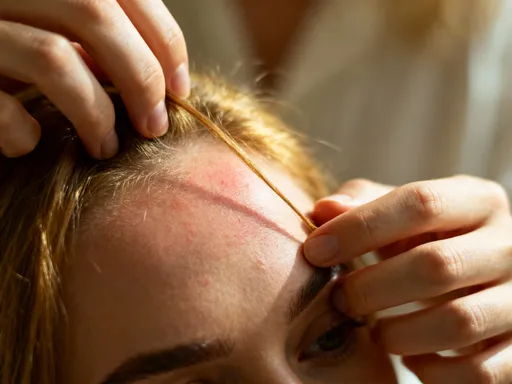
Once I realized my hair was sending signals, I wanted to decode them. But how? I started simple: I began observing and recording what I saw. Every few weeks, I took a photo under consistent lighting, parting my hair in the same place. I noted how much hair I found on my pillow, in the brush, or in the drain. I paid attention to shine, volume, and how long it took to grow out. I also rated my scalp—dry, oily, flaky, balanced—and tracked any discomfort.
Then I added context. I started logging sleep quality, energy levels, diet patterns, and periods of high stress. For those who menstruate, tracking cycle phases can be especially helpful, as hormone fluctuations across the month can influence hair behavior. I didn’t aim for perfection—just consistency. Over time, I could look back and ask: Was shedding higher after a week of poor sleep? Did my scalp flare up when I ate more processed foods?
I used a simple notebook at first, but later transitioned to a notes app on my phone. Some women prefer dedicated wellness journals or even spreadsheets. The method matters less than the habit. What’s important is creating a timeline—a visual and written record that makes patterns visible. You might not see connections right away. But after three to six months of tracking, trends often emerge: a dip in growth during a busy season, increased dryness in winter, or recurring flakiness linked to certain foods.
This process transformed my relationship with my body. Instead of reacting to changes with alarm, I began approaching them with curiosity. I wasn’t chasing perfect hair—I was gathering data. And that shift in mindset made all the difference. Monitoring became less about appearance and more about awareness, a way of staying attuned to my overall well-being.
Connecting the Dots: Real-Life Clues My Hair Showed Me
One of the first patterns I noticed was a spike in shedding after a particularly demanding work quarter. I had been sleeping less than six hours a night, skipping meals, and surviving on coffee and convenience foods. At the time, I chalked up my fatigue to burnout. But when I looked at my hair journal, I saw a clear uptick in shedding about eight weeks later—right in line with the telogen phase delay. I also realized I hadn’t eaten red meat or leafy greens in weeks, both rich sources of iron.
That correlation prompted me to get a blood test. My ferritin level was low—just 28 ng/mL, below the 40–50 range often recommended for optimal hair growth. I wasn’t anemic, but my iron stores were depleted. With guidance from my doctor, I adjusted my diet, adding more lentils, spinach, and lean beef, and paired them with vitamin C-rich foods to enhance absorption. I also prioritized sleep. Within four months, shedding decreased, and new baby hairs appeared along my hairline.
Another discovery came from my scalp. I started noticing more flakiness, especially in the mornings. At first, I assumed it was dryness. But when I cross-referenced my journal, I saw it often followed days when I’d had cheese-heavy meals or desserts. I decided to try a two-week reduction in dairy, keeping everything else consistent. To my surprise, the flakiness improved. I didn’t eliminate dairy completely—just became more mindful. This wasn’t about strict elimination but about understanding how my body responded.
Perhaps the most subtle clue was slow growth. For nearly a year, my hair barely seemed to grow, stuck at shoulder length despite careful care. I wasn’t shedding excessively, but nothing was replacing what I lost. Around the same time, I felt unusually fatigued, colder than usual, and had trouble concentrating. My hair journal showed thinning at the temples—a pattern sometimes associated with thyroid changes. I brought this to my doctor, who ordered a thyroid panel. My TSH was elevated, indicating early hypothyroidism. With treatment, my energy improved—and so did my hair. Growth resumed, and texture strengthened.
These experiences taught me that correlation isn’t causation. Hair changes alone don’t prove a diagnosis. But they can serve as early warnings, prompting questions and professional evaluation. By tracking consistently, I wasn’t guessing—I was gathering evidence. And that evidence gave me the confidence to seek help before small imbalances became bigger issues.
When to Seek Help: Knowing the Red Flags
Self-monitoring is powerful, but it has limits. There are times when hair changes go beyond what lifestyle adjustments can address. Certain signs should never be ignored. Sudden, patchy hair loss—especially circular bald spots—could indicate alopecia areata, an autoimmune condition. Rapid thinning over the entire scalp, or hair that pulls out easily with gentle tugging, may signal acute telogen effluvium due to severe stress, illness, or medication changes.
Scalp pain, burning, or sores that don’t heal require medical attention. So does hair loss accompanied by other symptoms—unexplained weight changes, fatigue, hair thinning on the eyebrows, or changes in skin or nails. These could point to thyroid disorders, autoimmune diseases, or nutritional deficiencies that need targeted treatment.
It’s also important to recognize emotional impact. Hair is deeply tied to identity and self-image. If changes are causing distress, anxiety, or a drop in confidence, that’s reason enough to seek support. A dermatologist, endocrinologist, or primary care provider can order blood tests, evaluate hormone levels, and assess scalp health. They may recommend iron studies, thyroid panels, vitamin D, or zinc testing, depending on your history.
Remember: tracking your hair doesn’t replace professional care—it enhances it. When you bring a detailed journal to your appointment, you’re not just describing symptoms; you’re offering a timeline. That helps providers identify patterns, narrow down causes, and recommend appropriate next steps. Early awareness leads to earlier intervention, and that can make a meaningful difference in outcomes.
Supporting Hair and Health: Gentle, Science-Backed Habits
While medical evaluation is crucial for diagnosing underlying conditions, daily habits play a foundational role in supporting both hair and overall health. The most effective strategies aren’t flashy—they’re consistent. Nutrition is at the core. Hair is made mostly of protein, so adequate intake is essential. Including lean meats, eggs, legumes, and dairy in your diet provides the amino acids needed for keratin production. Pairing these with iron-rich foods—like spinach, lentils, and fortified grains—supports oxygen delivery to follicles.
Other key nutrients include zinc, which helps regulate the oil glands around follicles, and biotin, involved in cell proliferation. While biotin supplements are popular, research shows they mainly benefit those with a deficiency—rare in people with balanced diets. Whole foods remain the best source. Nuts, seeds, sweet potatoes, and avocados provide healthy fats and vitamins that support scalp hydration and hair strength.
Hydration matters too. Water supports every cellular function, including those in hair follicles. Chronic dehydration can make hair dry and brittle. Drinking enough fluids throughout the day—water, herbal teas, broths—helps maintain internal balance. So does sleep. During deep rest, the body repairs tissues and regulates hormones. Poor sleep disrupts cortisol and melatonin, both of which influence hair cycling.
Stress management is equally important. Chronic stress elevates cortisol, which can shorten the hair growth phase and push more follicles into shedding. Practices like mindful breathing, walking in nature, journaling, or gentle yoga can help regulate the nervous system. You don’t need hours—just moments of pause. Scalp care, too, should be gentle. Regular cleansing removes buildup, but over-washing can strip natural oils. Avoid tight hairstyles that pull on roots, and limit heat styling. Letting hair air-dry when possible reduces damage.
Most importantly, patience is required. Hair grows slowly—about half an inch per month. Changes from improved nutrition or treatment may take three to six months to appear. Quick fixes rarely last. What works is consistency: eating well, sleeping enough, managing stress, and treating your body with care. These habits don’t just support hair—they support life.
A Lifelong Practice: Why Monitoring Matters Beyond Hair
What started as a concern about shedding became something much bigger: a practice of body awareness. Learning to read my hair taught me to listen more closely to other signals—energy dips, digestion changes, mood shifts. I began to see small changes not as flaws to fix, but as feedback to understand. My body wasn’t failing me; it was speaking. I just hadn’t been fluent in its language.
This kind of awareness is a form of self-care—one that’s proactive, not reactive. Instead of waiting for a crisis to act, I learned to notice early whispers. That mindset shift has ripple effects. It’s made me more intentional about food, more protective of rest, more honest about stress. It’s helped me advocate for my health with confidence, armed with observations that matter.
For women in their 30s, 40s, and beyond, this is especially valuable. We’re often caregivers—managing homes, careers, families—while our own needs take a backseat. We’re told to accept changes as “just part of aging.” But not all changes are inevitable. Some are clues. Some are reversible. And all deserve attention.
Monitoring your hair isn’t about vanity. It’s about vigilance. It’s about recognizing that true beauty isn’t just how you look—it’s how you feel, how you honor your body’s wisdom. When we treat our hair as a health diary, we’re not obsessing over strands. We’re committing to a deeper kind of care—one rooted in respect, curiosity, and listening. Really listening. And in that act, we reclaim not just our hair, but our health, one observation at a time.