How I Fixed My Daily Routine to Heal Without Pills
For years, I struggled with low energy, constant aches, and feeling "off" every single day. I wanted real change—but without relying on medication. So I started small: adjusting my mornings, moving my body gently, and rethinking rest. These lifestyle shifts weren’t flashy, but they brought noticeable improvement. This is a guide to the rehab methods that quietly transformed my health, one habit at a time. What began as an experiment in self-care became a sustainable path to recovery, grounded in science and shaped by daily practice. No prescriptions, no drastic overhauls—just intentional choices that supported my body’s natural ability to heal.
The Wake-Up Call: When Normal Life Felt Too Hard
There was no single diagnosis, no dramatic event—just a slow erosion of energy and ease. Simple tasks like folding laundry or walking up a flight of stairs began to feel heavier. Mornings were especially difficult: getting out of bed required effort, and by midday, a fog settled over my mind. I wasn’t sick in the traditional sense, but I wasn’t well either. The constant low-grade fatigue, joint stiffness, and irritability became my new normal, and I realized I had been functioning in survival mode for years.
It wasn’t until a routine doctor’s visit, where blood tests came back mostly normal, that I understood the issue wasn’t something a pill could fix. My body wasn’t broken—it was depleted. Years of poor sleep, sedentary days, and constant low-level stress had taken a toll. The doctor confirmed what I already sensed: I needed lifestyle-based rehabilitation. This wasn’t about curing a disease, but about restoring balance. That moment marked a shift in perspective. Healing didn’t have to come from a pharmacy. It could start with how I lived each day.
For many women in their 30s to 50s, this experience is familiar. The demands of family, work, and household responsibilities often leave little room for self-care. We push through, assuming exhaustion is just part of adulthood. But chronic fatigue and persistent discomfort are not inevitable. They are signals—gentle but persistent—that our bodies need attention. Recognizing that was the first step toward real change.
Rehab Isn’t Just for Injuries: Rethinking Recovery in Daily Life
When most people hear the word “rehab,” they think of physical therapy after surgery or recovery from an accident. But rehabilitation is broader than that. It’s the process of restoring function, strength, and balance—whether after an injury or after years of living out of sync with our body’s needs. For someone dealing with daily fatigue, joint discomfort, or mental fog, rehab means creating conditions where the body can repair itself naturally.
Modern life often works against recovery. Long hours sitting, irregular sleep, constant digital stimulation, and high stress keep the nervous system in a state of low-grade alert. This chronic activation increases inflammation, disrupts hormone balance, and slows healing. The body never fully shifts into rest-and-digest mode, which is essential for tissue repair and emotional regulation. Without intentional recovery, even minor physical strain accumulates over time.
The good news is that rehab doesn’t require a clinic or a prescription. It begins with awareness—recognizing when your body is asking for rest, movement, or stillness. It’s about making small, consistent choices that support healing rather than hinder it. This kind of rehabilitation is not reactive; it’s proactive. It’s not reserved for the injured or ill—it’s for anyone who wants to feel better in their own skin. And it starts with redefining what recovery really means: not just healing from something, but building resilience for everyday life.
Morning Reset: Building a Gentle Launchpad for the Day
How you start your day sets the tone for everything that follows. For years, I would wake up late, rush through breakfast, and dive straight into tasks—often before my body was fully awake. Over time, I realized this habit kept my nervous system in fight-or-flight mode from the start. My cortisol levels spiked early, and I spent the rest of the day trying to recover from that initial stress surge.
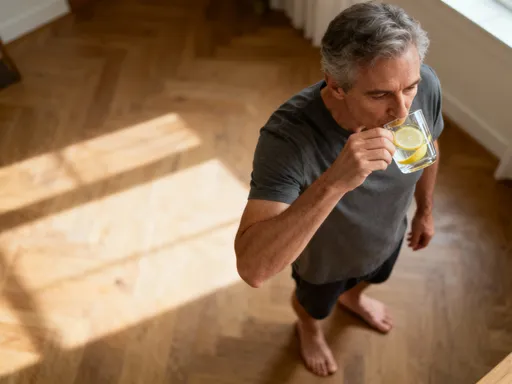
The change began with a simple decision: to create a morning reset. Instead of reaching for my phone, I began spending the first 10–15 minutes hydrating, stretching gently, and breathing deeply. I started with just two glasses of water upon waking—enough to rehydrate after hours of sleep and kickstart metabolism. Then, I moved into light stretches: neck rolls, shoulder shrugs, and slow cat-cow motions on the floor. These weren’t intense exercises—just enough movement to signal safety to the body.
The most powerful addition was mindful breathing. I practiced diaphragmatic breathing for five minutes: inhaling slowly through the nose, letting the belly rise, and exhaling fully. This simple act activated the parasympathetic nervous system, reducing stress hormones and promoting calm. Within days, I noticed a difference. I felt more alert without caffeine, and my mood was steadier. The morning no longer felt like a race—it felt like a transition.
What makes this routine sustainable is its simplicity. It doesn’t require special equipment or extra time. Even on busy mornings, I can do a shortened version: one glass of water, three deep breaths, and a quick shoulder roll. The goal isn’t perfection—it’s consistency. Over time, this gentle start became the foundation of my daily recovery, helping my body shift from survival to restoration.
Movement That Heals: Why Small Motion Beats Hard Workouts
In the past, I believed that exercise had to be intense to be effective. I pushed myself through long runs and high-intensity classes, thinking more effort meant better results. But for a body already fatigued, this approach often backfired. Instead of feeling stronger, I felt more drained. My joints ached, my sleep suffered, and my motivation dipped. It wasn’t until I shifted to gentle, consistent movement that I began to see real improvement.
Low-impact motion—like walking, mobility drills, or short bodyweight flows—supports healing in ways that intense workouts often cannot. These activities improve circulation without overloading the system. They lubricate the joints, deliver oxygen to tissues, and stimulate lymphatic drainage, all of which are essential for recovery. Unlike high-intensity exercise, which increases cortisol and inflammation when done excessively, gentle movement helps regulate these systems.
I started with daily walks—just 15 minutes at first, then gradually increasing to 30. I chose quiet paths, away from traffic, where I could focus on my breath and surroundings. On days when walking wasn’t possible, I did a short mobility sequence: ankle circles, hip openers, spinal twists. These movements felt nourishing rather than depleting. Over time, my joint stiffness decreased, my posture improved, and my energy levels stabilized.
The key is consistency, not intensity. Five minutes of movement twice a day is more beneficial than one hour once a week. Small motions add up, creating a cumulative effect on joint health, muscle tone, and mental clarity. For women managing busy households, this approach is especially practical. You don’t need a gym or a lot of time—just the willingness to move gently and regularly. When movement becomes a form of care rather than a test of endurance, it transforms from a chore into a healing ritual.
Rest Is Resistance: The Power of Strategic Downtime
In a culture that glorifies busyness, taking rest can feel like failure. For years, I equated productivity with worth. If I wasn’t doing something, I felt guilty. But constant activity, especially without recovery, leads to burnout. I learned that rest is not laziness—it’s a necessary component of healing. In fact, strategic downtime is one of the most powerful tools for reducing inflammation, improving focus, and restoring energy.
I began incorporating micro-breaks throughout my day. Every 60 to 90 minutes, I would pause for five minutes: stand up, stretch, step outside, or simply sit in silence. These breaks weren’t about accomplishing anything—they were about disengaging. I turned off notifications, put my phone face down, and allowed my mind to wander. At first, it felt unnatural. My brain wanted to solve problems or check tasks. But over time, these pauses became moments of reset.
I also redefined what rest means. It’s not just sleep—it’s any activity that calms the nervous system. Purposeful sitting, sipping tea without distractions, or listening to soft music all count as active recovery. I created screen-free zones in the afternoon, especially between 3 and 5 p.m., when mental fatigue tends to peak. These moments of stillness allowed my body to shift out of stress mode and into repair mode.
The impact was profound. I noticed fewer afternoon crashes, improved digestion, and a greater sense of emotional balance. My relationships improved because I was more present. Rest didn’t make me less productive—it made me more efficient. By honoring my body’s need for pauses, I discovered that true strength includes the ability to stop, breathe, and simply be.
Sleep, Not Hustle: Repairing the Body’s Natural Rhythm
Sleep is the cornerstone of rehabilitation. It’s during deep sleep that the body repairs tissues, balances hormones, and consolidates memories. Yet, for many women, sleep is disrupted by stress, hormonal changes, or poor habits. I used to sacrifice sleep to finish tasks, believing I could catch up later. But sleep debt doesn’t work that way. Each night of poor rest accumulated, leaving me more vulnerable to fatigue and inflammation.
The turning point came when I prioritized sleep as non-negotiable. I set a consistent bedtime and wake time, even on weekends. This regularity helped regulate my circadian rhythm, making it easier to fall asleep and wake up naturally. I also reduced blue light exposure in the evening by turning off screens an hour before bed. Instead, I read physical books or practiced gentle stretching. I created a calming pre-sleep ritual: dimming the lights, sipping herbal tea, and writing down three things I was grateful for.
My sleep environment became a sanctuary. I invested in blackout curtains, kept the room cool, and used a white noise machine to block outside sounds. These small changes made a significant difference. Within weeks, I was falling asleep faster and waking up feeling more refreshed. My dreams became more vivid, a sign of deeper REM cycles. Over time, my daytime energy improved, my mood stabilized, and my physical symptoms—like joint pain and headaches—became less frequent.
Sleep isn’t a luxury—it’s a biological necessity. When we treat it as such, the body responds with resilience. For women navigating the complexities of midlife, quality sleep is especially crucial. It supports hormonal balance, cognitive function, and emotional well-being. By making sleep a priority, I gave my body the time it needed to heal, one quiet night at a time.
Putting It All Together: A Sustainable Lifestyle for Lasting Recovery
Healing isn’t about one perfect day—it’s about the patterns that repeat over time. The morning reset, gentle movement, strategic rest, and quality sleep are not isolated habits. They work together to create a rhythm that supports long-term wellness. When I began viewing my day as a series of recovery opportunities, everything shifted. Each choice—what I did upon waking, how I moved, when I paused, how I prepared for sleep—became a chance to nurture my body.
I didn’t change everything at once. I started with hydration and breathing in the morning. Once that felt natural, I added short walks. Then, I introduced micro-breaks and improved my sleep hygiene. The key was patience. I allowed myself to experiment, to miss days, and to adjust based on how I felt. Progress wasn’t linear, but over months, the changes became habits. My energy increased, my aches diminished, and my sense of well-being grew.
What surprised me most was how these small actions created a ripple effect. Better sleep improved my focus, which made movement easier. Gentle motion reduced stiffness, which made rest more restful. Each piece reinforced the others, creating a self-sustaining cycle of healing. I no longer felt at war with my body—I felt in partnership with it.
Of course, this approach isn’t a substitute for medical care. If you have persistent symptoms, it’s essential to consult a healthcare provider. But for many common complaints—low energy, mild pain, stress-related fatigue—lifestyle-based rehabilitation can make a meaningful difference. It’s not about fixing yourself quickly. It’s about honoring your body’s need for balance, one mindful choice at a time.
True rehabilitation isn’t about dramatic fixes—it’s about daily choices that honor your body’s need to heal. These lifestyle methods aren’t quick, but they’re real. By aligning daily habits with the body’s natural rhythms, long-term wellness becomes possible, one mindful step at a time.