Transformed My Weekend Eating Habits in 48 Hours: The Health App That Finally Made Diet Management Simple
Spent yet another weekend mindlessly snacking, only to feel sluggish and guilty by Sunday night? I’ve been there—planning meals felt overwhelming, tracking food was tedious, and most apps just added stress. But last month, something changed. A quiet little health app quietly guided me through smarter choices, not with rules, but with gentle insights. By Sunday evening, I wasn’t just satisfied—I felt in control. This isn’t about drastic diets. It’s about making real eating habits easier, one relaxed weekend at a time.
The Weekend Food Trap: When Relaxation Turns Into Regret
Let’s be honest—weekends are supposed to be our sanctuary. We wake up without alarms, pour that second cup of coffee, and let the rhythm of the day unfold slowly. For years, I saw the weekend as my reward: a time to unwind, reconnect with family, and yes, eat a little more freely. I’d tell myself, “It’s my only break. I’ve earned it.” And I had. But by Sunday evening, that freedom often left me feeling heavy, bloated, and strangely disappointed in myself. What started as joyful indulgence turned into a cycle of regret.
I wasn’t overhauling my life during the week—I ate well, moved regularly, and generally took care of myself. But come Saturday brunch, I’d order pancakes with extra syrup, follow it with a mid-afternoon cookie run, and end the night with a generous slice of pizza while catching up on shows. Sound familiar? It wasn’t one meal that derailed me. It was the slow creep of mindless choices, each one justified by the idea that “I’ll start fresh on Monday.” But Monday never felt fresh. It felt like climbing out of a hole I’d dug myself into over 48 hours.
And it wasn’t just about how I felt physically. That post-weekend sluggishness chipped away at my confidence. I’d look in the mirror and wonder why I couldn’t “just have a little self-control.” But here’s what I’ve learned: it wasn’t about willpower. It was about support. I didn’t need more discipline—I needed a smarter way to enjoy my weekends without losing my wellness momentum. I wasn’t looking for punishment. I was looking for peace.
Discovering the App: A Nudge, Not a Nag
I didn’t download the app with high hopes. In fact, I’d given up on health apps altogether. Too many felt like digital drill sergeants—tracking every calorie, shaming missed goals, turning food into a spreadsheet. I wanted to enjoy my life, not audit it. But one rainy Thursday, I was scrolling through a lifestyle newsletter and saw a short feature: “The App That Helps You Eat Better Without Counting.” Skeptical? Absolutely. But something about the tone felt different—gentle, not pushy.
I downloaded it on a whim. No fanfare. No 30-day challenge. Just curiosity. The first thing that surprised me was how little it asked. Most mornings, it greeted me with just three simple questions: “How did you sleep?” “What’s on your mind today?” and “Any meals planned?” That’s it. No complicated setup, no food database to memorize. Based on my answers, it offered light suggestions—like “Try starting your day with a glass of water” or “If you’re feeling low-energy, a smoothie with spinach might help.”
It didn’t tell me what to eat. It didn’t ban anything. Instead, it felt like a thoughtful friend who knew my patterns. On Saturday morning, after I answered “tired” and “family brunch,” it suggested: “Go for the avocado toast, but add a boiled egg for staying power.” I followed the advice, not because I had to, but because it made sense. And for the first time in years, I left brunch feeling satisfied—not stuffed. That small win changed everything.
How It Builds a Health Report Without Feeling Like Work
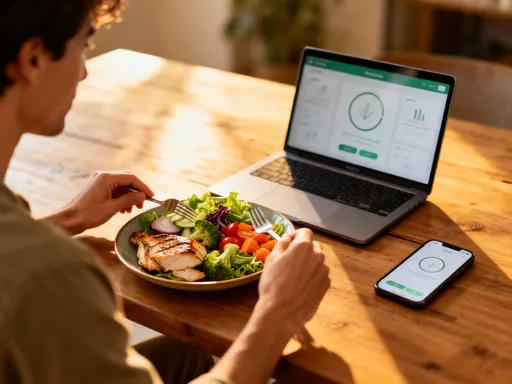
Here’s what I love: this app doesn’t treat me like a lab experiment. I don’t have to log every bite or weigh my food. Instead, I take photos of my meals—just snap and go. No labels, no macros, no stress. The app uses that to spot patterns over time, not to judge me, but to understand me. After two weekends, it noticed I often reached for chocolate or cookies around 4 p.m., especially when I hadn’t moved much during the day.
Instead of saying “Stop eating sugar,” it sent a gentle reminder: “Feeling tired? Try an apple with almond butter. It’s sweet, satisfying, and gives you energy.” I rolled my eyes the first time I saw it—but I tried it. And guess what? It worked. The craving faded. I didn’t feel deprived. I just felt… seen.
By Sunday night, the app generated a one-page weekend summary. Not a report card. Not a list of failures. Just a calm reflection: “You made 7 balanced choices this weekend—up from 3 last week. You drank water before two snacks. You added veggies to three meals.” That simple page did something powerful: it showed me progress, not perfection. I wasn’t being graded. I was being guided. And that made all the difference.
Real Help During Family Meals and Social Moments
Let’s talk about the real challenge: family time. Weekends are for cousins visiting, kids’ soccer games, and long lunches with parents. Food is love. It’s connection. And I never want to feel like I’m sitting at the table with a different rulebook than everyone else. That’s why I was nervous about using an app. I didn’t want to be the one pushing food around, counting bites, or saying “I can’t have that.”
But this app didn’t make me rigid—it made me smarter. Before a family roast dinner, it reminded me: “Enjoy the meal, but try filling half your plate with vegetables first.” Simple. Doable. No one noticed. I still had my favorite stuffing and a slice of meat. But by loading up on veggies first, I naturally ate less of the heavier stuff—and I didn’t feel deprived. In fact, I enjoyed the meal more because I wasn’t fighting with myself afterward.
Another time, my sister brought over her famous brownies. I love them. But I also know one is enough. The app had learned that about me. As I reached for the plate, my phone buzzed: “Savor the moment. One brownie, then a cup of herbal tea?” It wasn’t stopping me. It was helping me enjoy it fully, without overdoing it. That’s the kind of support I needed—quiet, kind, and deeply personal.
Teaching Me Patterns, Not Just Numbers
The biggest shift didn’t happen in my kitchen. It happened in my mind. For years, I thought “eating healthy” meant counting calories, avoiding carbs, or cutting out desserts. But this app never mentioned weight. It didn’t track pounds. Instead, it focused on behavior. After a few weeks, it started sharing insights like: “You eat more mindfully when you start the day with water” or “You’re less likely to snack if you take a 10-minute walk after lunch.”
Those weren’t rules. They were discoveries. And because they came from my own habits, they felt true. I began to see my body not as an enemy to control, but as a partner to listen to. When I honored my hunger, I ate less. When I moved a little, I craved less sugar. These weren’t magic tricks—they were patterns I could trust.
One Sunday, the app shared: “This weekend, you chose protein with every meal. Energy levels stayed steady.” I hadn’t even noticed. But now that it pointed it out, I remembered—no 3 p.m. crash, no reaching for candy to stay awake. I felt calm and clear-headed. That moment changed how I saw health: it wasn’t about restriction. It was about awareness. And awareness, I realized, is the first step to real change.
Making Diet Management Feel Natural, Not Forced
I’ll be honest—I didn’t think an app could change my relationship with food. I’d tried meal plans, detoxes, even a food scale. Nothing stuck. Why? Because they felt like punishments. This app was different. It didn’t ask me to give up pancakes. It helped me enjoy them in a way that didn’t leave me feeling awful. On Saturday morning, it suggested: “Love pancakes? Try adding Greek yogurt to the batter for extra protein. Top with berries, not syrup.” I tried it. They were delicious. And because they had protein, I wasn’t hungry an hour later.
That’s the secret: it didn’t remove joy. It enhanced it. I still had my weekend treats—just in a way that supported my energy and mood. And because I wasn’t deprived, I didn’t binge. I didn’t feel like I was “being good” or “being bad.” I was just making choices that felt right. Over time, those choices became habits. Not because I was forced, but because they worked.
The app also encouraged small movements—like “Stretch for 5 minutes before coffee” or “Take the dog for an extra loop around the block.” These weren’t workouts. They were tiny acts of care. And they added up. I started noticing how a little movement helped me digest better, sleep deeper, and crave less. It wasn’t about burning calories. It was about feeling alive.
Why This Matters Beyond the Weekend
What started as a weekend experiment quietly reshaped my entire week. Feeling good on Sunday meant I wasn’t dreading Monday. I woke up lighter, both physically and mentally. I had more energy to help the kids with homework, more patience during errands, and more joy in simple moments. The app didn’t just change my eating—it changed my mindset.
Its real power wasn’t in tracking. It was in building trust. Trust that I could enjoy life without losing control. Trust that small choices add up. Trust that I don’t have to be perfect to be healthy. When technology supports us gently, without judgment or pressure, it doesn’t feel like a tool. It feels like a companion.
Now, when I open the app on Saturday morning, I don’t see rules. I see encouragement. I see someone who knows me—my rhythms, my cravings, my intentions. And that makes all the difference. Because wellness isn’t about deprivation. It’s about showing up for yourself, day after day, with kindness and clarity. This app didn’t fix me. It helped me remember I was already whole. And that’s the most powerful change of all.