What I Learned Forecasting Markets During Emergencies — A Beginner’s Real Talk
When the market went wild last year, I panicked like everyone else. But that crisis taught me how to read signals before chaos hits. As a total newbie, I discovered simple ways to spot trends and protect my money. It wasn’t about genius predictions — just practical habits. Now I share what actually worked, the mistakes I made, and how beginners can stay calm and informed when emergencies strike. This is not a story of overnight success or secret formulas. It’s about learning to see patterns, manage fear, and build resilience in uncertain times. If you’ve ever felt overwhelmed by financial news or worried your savings could vanish in a downturn, this is for you.
The First Time the Market Scared Me
It started with a headline. I remember scrolling through my phone during breakfast when a news alert flashed: global markets were dropping fast. I didn’t think much of it at first — markets go up and down, right? But within days, the decline deepened. My small investment portfolio, which I had carefully built over months, began to shrink. I felt a knot in my stomach. I wasn’t losing everything, but the numbers on the screen didn’t reflect what I had put in. They reflected fear, uncertainty, and something I hadn’t prepared for: volatility.
At the time, I didn’t understand what was driving the drop. Was it inflation? Geopolitical tension? A shift in consumer spending? All of it? I only knew that my money was losing value, and I didn’t know what to do. I considered selling everything to avoid further losses, but I also worried about locking in those losses permanently. I was stuck between two bad choices. That moment revealed a hard truth: I had invested without a plan for when things went wrong. I had focused only on growth, not protection. And I wasn’t alone. Many beginner investors make the same mistake — they assume steady progress and ignore the possibility of sudden setbacks.
What changed everything was realizing that reacting after the fall was too late. By the time panic spreads, the biggest drops often already happened. The real skill wasn’t in recovering from a crash, but in preparing for one. That’s when I began to study not just how markets grow, but how they respond to stress. I started asking different questions: What signals come before a downturn? How do experienced investors adjust before the crowd notices? And most importantly, what can an ordinary person do without being a financial expert? These questions led me down a path of learning that transformed how I see money, risk, and the role of preparation in building long-term security.
What Market Forecasting Really Means (And What It Doesn’t)
When I first heard the term “market forecasting,” I imagined someone with a crystal ball or a secret algorithm that could predict exactly when stocks would rise or fall. I thought forecasting meant knowing the future. But the truth is far more humble — and far more useful. Market forecasting isn’t about certainty. It’s about probabilities. It’s not about timing the market perfectly, but about increasing your chances of making informed decisions before major shifts occur. For beginners, this distinction is crucial. Expecting perfect predictions leads to frustration and risky behavior. Understanding that forecasting is about preparation, not prophecy, leads to smarter habits.
One of the biggest myths is that experts always know what’s coming. The reality is that even seasoned analysts get things wrong. Markets are influenced by countless variables — economic data, investor sentiment, unexpected events — many of which are impossible to predict with precision. Forecasting, then, isn’t about eliminating uncertainty. It’s about recognizing patterns that tend to repeat over time. For example, when consumer confidence begins to weaken, or when interest rates shift in a particular direction, history shows that markets often respond in predictable ways — not always, but often enough to matter.
Another common misconception is that forecasting requires advanced math or access to expensive tools. While professionals use complex models, everyday investors can benefit from simple observations. You don’t need to calculate moving averages or interpret derivatives. You do need to understand basic economic trends, recognize emotional reactions in the market, and avoid making decisions based solely on fear or excitement. The goal isn’t to be right every time, but to reduce the frequency and impact of costly mistakes. By focusing on what’s likely, rather than what’s guaranteed, you shift from gambling to strategy. That mindset change is the foundation of responsible investing during uncertain times.
Early Warning Signs I Started Watching For
After my initial panic, I decided to look for clues that might signal trouble before it hit. I didn’t want to be caught off guard again. I started paying attention to patterns in the news, market behavior, and everyday economic changes. Over time, I noticed certain signals that often appeared before major shifts. These weren’t guarantees, but they were red flags worth noting. One of the clearest early warnings is unusual trading volume. When a stock or index sees a sudden spike in buying or selling — especially without clear news — it can indicate that informed investors are moving money. This doesn’t mean a crash is coming, but it does suggest that something may be changing beneath the surface.
Another signal I learned to watch is shifts in consumer behavior. For example, if people start cutting back on big purchases — like cars, appliances, or travel — it can reflect growing economic anxiety. Retail sales data, while not always exciting, often reveals these trends early. Similarly, rising job insecurity, even before official unemployment numbers rise, can be a sign of trouble. When friends or neighbors start talking about layoffs or reduced hours, it’s worth paying attention. These real-world observations, combined with broader economic reports, help paint a more complete picture than headlines alone.
News sentiment is another subtle but powerful indicator. I don’t mean the loudest or most dramatic stories — those often come after the fact. Instead, I look for a gradual shift in tone across multiple sources. Are more articles discussing risk, inflation, or supply chain issues? Is there a growing sense of caution among business leaders? These shifts don’t cause market moves, but they often reflect a change in expectations. When confidence begins to erode, markets tend to follow. By watching for these early signs, I’ve learned to adjust my mindset and portfolio gradually, rather than waiting for a crisis to force my hand. It’s not about reacting to every blip, but about staying aware of the bigger picture.
Building a Simple Emergency Investment Mindset
One of the most important lessons I’ve learned is the difference between investing and speculating. When markets are rising, it’s easy to feel like every decision is a winner. But when volatility hits, the difference becomes clear. An emergency investment mindset means treating your money with respect, not emotion. It means having a plan that doesn’t depend on perfect timing or endless growth. For me, this started with separating my emergency fund from my investment accounts. This simple step changed everything. Knowing I had three to six months of living expenses in a safe, accessible account gave me the freedom to think clearly when markets dipped.
Before I made this distinction, every market drop felt like a threat to my financial survival. I was tempted to sell just to stop the stress. But once I knew my essentials were covered, I could view investments as long-term commitments, not emergency cash. This mental shift reduced the pressure to react impulsively. I stopped checking my portfolio daily and stopped making decisions based on short-term swings. Instead, I focused on my goals, time horizon, and risk tolerance. I accepted that some volatility is normal — even necessary — for long-term growth.
Liquidity also became a priority. I made sure part of my portfolio was in assets I could access without penalties if needed. This didn’t mean keeping everything in cash — which loses value over time — but ensuring I wasn’t overexposed to long-term or illiquid investments. I also avoided borrowing against my investments or using complex strategies I didn’t fully understand. The goal was simplicity, clarity, and peace of mind. By building these buffers in advance, I created a financial cushion that allowed me to stay calm when others were panicking. Preparation didn’t eliminate risk, but it gave me control over my reactions — and that made all the difference.
Tools That Helped Me See Patterns Clearly
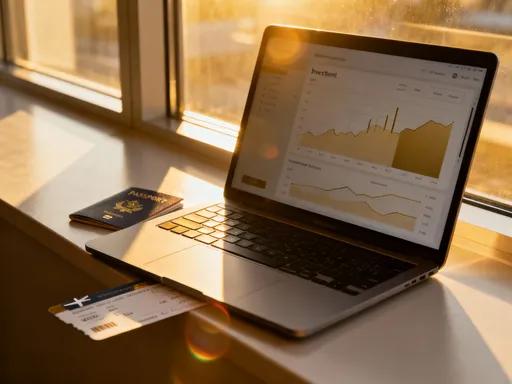
At first, I thought I needed expensive software or insider knowledge to understand the market. But I quickly realized that many free, user-friendly tools provide valuable insights without overwhelming a beginner. One of the most helpful was a basic charting platform that allowed me to visualize price trends over time. I didn’t need to analyze every indicator — just seeing how markets moved in past downturns helped me recognize patterns. For example, I noticed that sharp drops were often followed by periods of sideways movement, not immediate recovery. This helped me resist the urge to buy too soon after a fall.
Another essential tool was an economic calendar. It showed upcoming events like interest rate decisions, employment reports, and inflation data releases. These events often move markets, so knowing when they were scheduled helped me anticipate potential volatility. I didn’t trade on this information — I’m not a trader — but I used it to avoid making big decisions during high-risk periods. If a major report was due, I’d wait a few days before adjusting my portfolio. This small habit reduced my exposure to short-term swings.
News aggregators also made a big difference. Instead of bouncing between random headlines, I used a simple feed that grouped stories by topic and source. This helped me see trends in coverage and avoid getting caught in sensationalism. I learned to distinguish between breaking news and noise. I also set limits on how often I checked updates — once or twice a day, not constantly. This reduced anxiety and improved my ability to think clearly. These tools didn’t give me an edge over professionals, but they gave me clarity. They turned chaos into structure, and confusion into understanding. For a beginner, that’s more than enough.
Why Diversification Isn’t Just a Buzzword
When I first started investing, I put most of my money into a single stock because it was doing well. I thought I was being smart — chasing performance. But when that sector slowed down, my portfolio took a hit. That experience taught me the real value of diversification. It’s not just a fancy term financial advisors use to sound impressive. It’s a practical strategy for reducing risk. The idea is simple: don’t put all your eggs in one basket. By spreading investments across different asset types — such as stocks, bonds, and real estate — you reduce the impact of any single failure.
Here’s how it works: different parts of the economy perform differently at different times. When technology stocks fall, for example, consumer staples or utilities might hold steady. When interest rates rise, bonds may struggle, but certain types of stocks could benefit. Diversification doesn’t guarantee profits or eliminate losses, but it helps smooth out the ride over time. It turns wild swings into more manageable fluctuations. For a beginner, this means less stress and more consistency in long-term results.
I didn’t go overboard — I didn’t try to own every asset class. Instead, I built a simple mix that matched my goals and risk level. I included a portion in broad market index funds, which automatically provide diversification across hundreds of companies. I added a smaller portion in bonds for stability. And I kept a modest allocation in international markets to capture global growth. This balanced approach didn’t make me rich overnight, but it protected me during downturns. When one area struggled, others often held up, preventing my entire portfolio from collapsing. Diversification won’t save you from every loss, but it gives you resilience — and that’s what matters most during emergencies.
Staying Informed Without Getting Overwhelmed
One of the biggest challenges I faced was information overload. At first, I thought staying informed meant reading everything — every article, every analysis, every update. I spent hours scrolling through financial news, trying to catch every detail. But instead of feeling more confident, I felt more anxious. The constant stream of data made it harder to think clearly. I realized I wasn’t gaining insight — I was just absorbing noise. That’s when I changed my approach. I decided to focus on quality over quantity. I identified a few reliable sources — not the loudest, but the most consistent and balanced — and limited my intake.
I set a schedule: I checked updates once in the morning and once in the evening, no more. I avoided financial media during emotional events, like major market swings, when commentary tends to be reactive rather than thoughtful. I also learned to ignore short-term predictions. No one knows exactly what will happen next week, and pretending otherwise only creates false confidence. Instead, I focused on long-term trends — things like demographic shifts, technological change, and economic cycles — that unfold over years, not days.
Another key habit was taking breaks. I gave myself permission to step away, especially during high-stress periods. I found that stepping back often gave me better perspective than constant monitoring. I also talked to a few trusted friends who were also learning, not to trade tips, but to share experiences and keep emotions in check. This simple routine — limited updates, reliable sources, and mental breaks — transformed how I engaged with financial news. I stopped feeling like I had to react to everything. Instead, I could observe, reflect, and act only when necessary. That shift made me a calmer, more thoughtful investor.
Forecasting as a Habit, Not a Gamble
Looking back, I realize that forecasting isn’t something you do once — it’s something you practice over time. It’s not about making bold predictions or chasing quick wins. It’s about building awareness, staying prepared, and making small, consistent choices that add up. I still make mistakes. I still feel uncertain sometimes. But I no longer panic when markets move. I have tools, habits, and a mindset that help me navigate volatility with more confidence. I’ve learned to see downturns not as disasters, but as part of the cycle — something to prepare for, not fear.
The most valuable lesson wasn’t about numbers or charts. It was about discipline. It was about creating systems that work when emotions run high. Whether it’s separating emergency funds, watching for early signals, or simply limiting news intake, these habits form a foundation of resilience. You don’t need to be an expert to benefit from them. You just need to start. The goal isn’t perfection — it’s progress. It’s about being ready, not right. And for anyone who’s ever felt lost in a financial storm, that readiness can make all the difference. Forecasting, at its best, isn’t a gamble. It’s a quiet, steady practice of staying informed, staying calm, and staying in control — one small step at a time.