How I Stay Financially Secure While Working from Anywhere
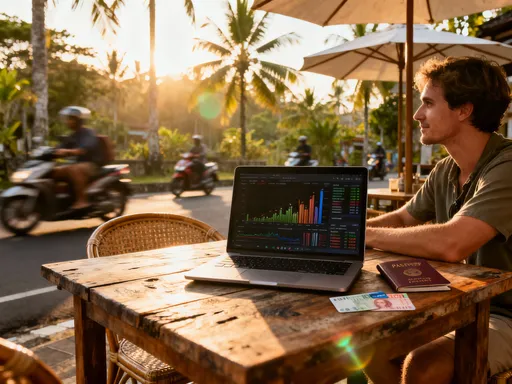
What happens when your office is a coffee shop in Bali and your paycheck comes in dollars while you’re spending in pesos? I’ve been there—juggling time zones, currency swings, and sketchy Wi-Fi while trying not to bleed money. Remote work offers freedom, but it also brings hidden financial risks most people ignore. Over the past few years, I’ve tested strategies to protect my income, simplify taxes, and avoid costly mistakes. Here’s what actually works—and what nearly wrecked my budget. The journey wasn’t smooth. At first, I assumed that as long as my laptop worked and my clients paid, everything would be fine. But reality hit hard when I faced a three-week payment delay while halfway through a month-long stay in Mexico, only to realize my emergency fund was tied up in a bank account I couldn’t access without a local SIM. That wake-up call reshaped how I manage money on the move. This is not just about travel or lifestyle—it’s about building a financial foundation that supports freedom without sacrificing security.
The Hidden Cost of Location Independence
Location independence promises flexibility, but it also introduces a new set of financial variables that many overlook. When you’re no longer bound to a single city or country, your cost of living doesn’t just change—it fluctuates unpredictably depending on where you land. A freelancer earning $5,000 a month might live comfortably in Chiang Mai but quickly deplete savings in Oslo. Beyond basic expenses, remote workers often underestimate how visa requirements, short-term rentals, and transportation between destinations erode their budgets. These are not one-time costs; they are recurring expenses woven into the rhythm of a mobile life. The true cost of freedom isn’t measured in flights or accommodations alone, but in the constant recalibration of financial expectations.
Tax residency is another invisible burden. Many assume that if they spend fewer than 183 days in any one country, they remain tax-free. That’s a dangerous misconception. Some countries base tax liability on earnings generated within their borders, regardless of physical presence. Others apply complex rules based on permanent home, center of economic interests, or even social ties. Without careful tracking, digital nomads can accidentally trigger tax obligations in multiple jurisdictions. For example, conducting client calls from Portugal while officially residing in Canada may require reporting foreign income or paying local taxes, especially if work activities go beyond occasional use of Wi-Fi at a café.
Exchange rates further complicate financial stability. Earning in U.S. dollars while spending in Thai baht or Colombian pesos means every transaction is subject to fluctuation. Over time, even small shifts in currency value can reduce purchasing power significantly. Imagine receiving $4,000 monthly—enough for three months of comfortable living in Medellín at a 4,000 COP/USD rate. If that drops to 5,500 COP/USD, the same income buys less, increasing monthly outflows. Savvy remote workers don’t just monitor exchange trends—they hedge against them by keeping portions of savings in stable currencies or using accounts that allow multi-currency holdings.
To stay ahead, financial planning must shift from fixed to adaptive models. Instead of relying on predictable salary deposits and static budgets, remote professionals should build dynamic frameworks that account for movement, exchange volatility, and regulatory variation. This means updating expense forecasts every few months, reviewing banking access across regions, and questioning whether current tools still serve their needs. The goal isn’t rigidity, but resilience—designing a system flexible enough to handle change without sacrificing long-term goals.
Income Volatility: Why Your Paycheck Isn’t Always Safe
Even with a full-time remote role, income security isn’t guaranteed. Traditional employment assumes continuity: contracts renew automatically, benefits roll over, and paychecks arrive like clockwork. Remove the office structure, and those assumptions weaken. Remote workers, especially freelancers and independent contractors, face a patchwork of payment timelines, platform policies, and client behaviors that make cash flow unpredictable. A single missed invoice, delayed wire transfer, or last-minute cancellation can disrupt an entire month’s financial rhythm. This volatility creates stress not just emotionally, but operationally—when your ability to cover rent or healthcare depends on timely payments from abroad.
One major source of instability is reliance on a single income stream. Whether it’s one full-time employer or a primary client, this dependency leaves little room for error. If a company downsizes its remote workforce or shifts strategy, severance may not cover relocation or re-entry into the job market. Freelancers may lose access to platforms due to policy changes or sudden bans, cutting off earnings overnight. Those who depend solely on gig economy apps experience additional risk from fluctuating demand, algorithm changes, or deactivation without appeal. This kind of income fragility demands proactive diversification, not reactive scrambling.
Diversification doesn’t mean taking on dozens of side jobs. It means creating layered income sources that can absorb shocks. For instance, a remote marketer might retain one long-term client while also earning passive income through a low-maintenance digital product, such as an e-book or course. Another option is investing in dividend-paying ETFs, which generate regular returns regardless of work status. These secondary streams don’t need to replace primary income—they just need to cover essentials during gaps. Over time, this approach builds a buffer that transforms financial anxiety into confidence.
Equally important is understanding payment cycles and building in grace periods. Clients in different time zones may operate on different fiscal months, affecting when they process invoices. Some countries have legal requirements delaying international transfers by several business days. Smart remote workers align their income schedule with these realities, ensuring they don’t assume funds are available the moment an invoice is marked “paid.” They also set personal rules—like never spending more than 70% of projected monthly income—to preserve flexibility and reduce pressure during slow periods.
Banking Without Borders: Choosing the Right Financial Tools
Traditional banking systems were designed for stationary lives, not borderless careers. Most brick-and-mortar banks impose high fees for international transactions, limit access to foreign ATMs, and offer poor exchange rates that silently reduce balances. For someone working remotely, these aren’t minor inconveniences—they’re recurring drains on income. A $300 withdrawal in Vietnam could lose $40 to fees and unfavorable conversion spreads. Multiply that over a year, and it becomes a significant portion of disposable income lost to inefficiency. Therefore, choosing the right financial tools is not a convenience—it’s a necessity for preserving wealth.
Modern fintech solutions have emerged to fill this gap. Multi-currency accounts allow users to hold and transfer money in various currencies without constant conversion. Platforms like these often partner with local banking networks to offer low-cost or fee-free ATM withdrawals worldwide. Digital wallets integrate seamlessly with online payment systems, making it easier to pay for housing, insurance, or software subscriptions from anywhere. These tools also provide real-time balance alerts, transaction tracking, and instant customer support via chat—features that traditional banks often lack.
When evaluating options, accessibility is key. A platform might offer great exchange rates, but if it blocks accounts without warning or lacks support in multiple languages, it creates more problems than it solves. Security is equally vital. Look for institutions regulated by recognized financial authorities, with end-to-end encryption and strong authentication protocols. Two-factor authentication, biometric login, and card freezing capabilities help protect against unauthorized access, especially when using public networks. Additionally, choose services that don’t require a domestic address or long-term residency, which many digital nomads lack.
Not all tools are created equal. Some charge hidden fees for currency conversion or impose monthly maintenance charges after a grace period. Others fail to support certain countries or restrict incoming transfers from specific regions. The best approach is to test a platform during short stays before relying on it long-term. Open accounts gradually, transfer small amounts first, and verify functionality across borders. Ultimately, the ideal financial toolset combines low cost, wide access, regulatory compliance, and user control—empowering remote workers to manage money confidently, no matter where they log in.
Tax Traps for Remote Workers: Staying Compliant Across Jurisdictions
Tax compliance is one of the most misunderstood aspects of remote work. Many believe that working remotely from another country for a few weeks or even months automatically exempts them from tax obligations. That assumption can lead to serious consequences. Tax authorities in numerous countries assess liability based on where the work is performed, not just where the worker is officially registered. This means earning income while physically present in France—even temporarily—could require reporting or paying taxes there, depending on bilateral agreements and local laws.
Double taxation is a real risk. Without proper planning, remote workers may find themselves owing taxes in both their home country and host nation. Fortunately, many countries have tax treaties designed to prevent this. These agreements often stipulate which country has primary taxing rights, usually determined by the length of stay, nature of work, or employer location. However, claiming treaty benefits requires accurate recordkeeping—proof of days spent per country, copies of contracts, and documentation of income sources. Failing to maintain these records increases the chance of audits, penalties, or interest charges.
Residency rules vary widely and are often more nuanced than they appear. Some countries define tax residency by the number of days spent within their borders, typically 183 or more per year. Others consider factors like family ties, ownership of property, or frequency of visits. For example, the United States taxes citizens on worldwide income regardless of residence, while most other nations tax based on physical presence. This creates unique challenges for Americans abroad, who must file annually even if their income is low or earned entirely overseas. They may qualify for exclusions like the Foreign Earned Income Exclusion, but only if they meet specific criteria and file accordingly.
To avoid trouble, remote professionals should adopt a proactive stance. Track travel dates meticulously using digital calendars or dedicated apps. Consult qualified international tax advisors familiar with cross-border income rules. If planning extended stays, research tax obligations in advance rather than assuming exemption. Never rely solely on anecdotal advice from fellow travelers or online forums. Professional guidance ensures compliance without overpayment, protecting both financial peace of mind and legal standing. Remember: ignorance of tax law is not a defense—and enforcement is increasing as more people adopt remote lifestyles.
Building a Remote-Ready Emergency Fund
An emergency fund is essential for everyone, but the standard “three to six months of expenses” rule may fall short for remote workers. Their emergencies aren’t always medical bills or car repairs—they include internet outages, visa denials, sudden border closures, or unexpected relocations due to political unrest or health crises. These events demand faster access to cash and greater geographic flexibility than traditional savings accounts provide. A remote-ready emergency fund isn’t just about size; it’s about accessibility, currency alignment, and distribution.
Liquidity is the top priority. Funds should be available within hours, not days. Relying on banks that require in-person verification or lengthy wire processes creates dangerous delays. Instead, consider holding emergency reserves in digital accounts with instant transfer options, supported across multiple jurisdictions. These accounts should support withdrawals via debit card, mobile wallet, or local banking networks, ensuring access whether you’re in Bangkok or Buenos Aires. Avoid tying up emergency funds in long-term deposits, locked cryptocurrencies, or illiquid assets that can’t be converted quickly.
Currency flexibility is equally important. If your income is in U.S. dollars but you’re living in Europe, having your emergency fund entirely in USD introduces exchange risk during urgent situations. Ideally, split reserves across two or three stable currencies—such as USD, EUR, and CHF—depending on where you spend most of your time. This reduces dependency on a single currency and protects against devaluation during regional downturns. Automated currency conversion features in some fintech accounts can further streamline access without manual intervention.
Another strategy is geographic diversification—keeping portions of the fund accessible in different regions. While this doesn’t mean opening accounts in every country, it does involve selecting platforms recognized globally and accepted by local institutions. Cloud-based banking systems with wide ATM partnerships allow users to access funds reliably, even in areas with limited banking infrastructure. The key is testing access before an emergency arises. Withdraw a small amount during normal travel to confirm functionality. A well-structured emergency fund becomes more than a safety net—it becomes a foundation for confident, uninterrupted movement.
Protecting Yourself from Digital Financial Threats
Remote work thrives on connectivity, but every connection increases exposure to digital threats. Public Wi-Fi in cafés, coworking spaces, and airports is convenient—but often unsecured. Hackers can intercept login credentials, clone banking sessions, or deploy malware that drains accounts within minutes. Shared devices, lost laptops, and phishing emails add further risk. For remote professionals, a single breach can mean frozen accounts, drained savings, or identity theft that takes months to resolve. Unlike physical theft, digital fraud often goes unnoticed until damage is done, making prevention far more effective than recovery.
The first line of defense is a secure internet connection. Always use a reputable virtual private network, or VPN, when accessing financial accounts or entering sensitive information. A good VPN encrypts data traffic, masking IP addresses and preventing eavesdropping on public networks. Not all free VPNs are trustworthy—some log user data or inject ads. Invest in a paid service with a clear privacy policy and no-logs commitment. Enable automatic connection so protection activates without manual input, reducing human error.
Multi-factor authentication (MFA) is another non-negotiable. Enabling MFA on all financial, email, and cloud storage accounts adds a critical layer of security. Even if a password is compromised, attackers cannot access the account without the second factor—usually a code from an authenticator app, SMS, or physical security key. Avoid relying solely on SMS-based codes, as SIM-swapping attacks can redirect texts to a hacker’s device. Instead, use authenticator apps like Google Authenticator or hardware tokens, which remain secure even if the phone is compromised.
Separating personal and work finances also reduces risk. Maintain distinct accounts for business income and expenses, client payments, and personal spending. This limits exposure—if a work-related platform is breached, personal savings remain protected. It also simplifies accounting, making it easier to track deductions and report income accurately. Regularly review account statements for unfamiliar transactions, and set up real-time alerts for withdrawals or logins. Small habits—like logging out after sessions, avoiding autofill for passwords, and updating software promptly—collectively create a strong defense against digital threats.
Long-Term Wealth: Planning Beyond the Next Gig
Remote work is often celebrated for its freedom and flexibility, but long-term financial health requires more than constant movement. Without steady employer-sponsored retirement plans or automatic contributions, many independent workers delay saving for the future. Yet the same lifestyle that offers geographic freedom should not come at the cost of financial insecurity later in life. Building wealth as a remote professional means redefining stability—not as a fixed location, but as resilience across time and space. It requires intentional planning, disciplined habits, and access to appropriate investment vehicles that accommodate irregular income.
Retirement planning for non-traditional earners starts with setting clear goals. How much capital will be needed to maintain lifestyle preferences 20 or 30 years from now? What rate of return is realistic given risk tolerance and market conditions? Unlike salaried employees who contribute a percentage of each paycheck, freelancers and remote contractors must take initiative—manually allocating funds, selecting accounts, and monitoring progress. Individual Retirement Accounts (IRAs), self-employed pension schemes, or international investment platforms can serve as anchors, offering tax advantages and compounding growth over time.
Investment strategies should reflect income patterns. Since earnings may vary month to month, fixed monthly contributions aren’t always feasible. Instead, adopt a percentage-based approach—allocating a set portion of each payment received, regardless of size. This ensures consistent progress, even during low-income months. Dollar-cost averaging—investing fixed amounts at regular intervals—can also reduce volatility risk by spreading purchases over time. Choose diversified, low-cost index funds or ETFs that track broad markets, minimizing reliance on single assets or sectors.
Finally, long-term wealth includes more than retirement savings. It encompasses health coverage, property ownership, and estate planning—elements often neglected by those focused on short-term mobility. Securing international health insurance, drafting a will, and designating beneficiaries ensure that freedom today doesn’t become chaos tomorrow. By balancing immediate flexibility with future foresight, remote workers can build lives that are not only exciting but sustainable. True financial security isn’t measured by how many countries you’ve visited, but by the peace of mind that comes from knowing you’re prepared—for wherever life takes you next.